

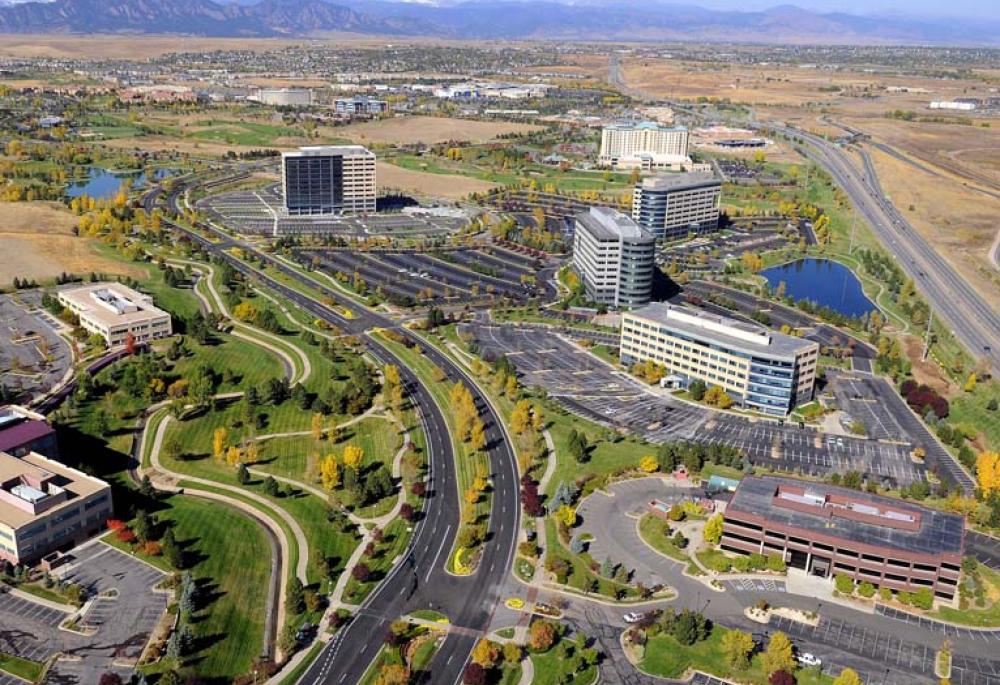
Broomfield is a suburb that lies northwest of Denver. It runs mostly east to west, with some square footage on the east side of I-25, stretching to just west of 36. With a population of just over 65,000 people, Broomfield still has a lot to offer to residents and non-residents, alike. It has over 281 miles of trails and more than 700 acres of developed parks with 45 playgrounds.
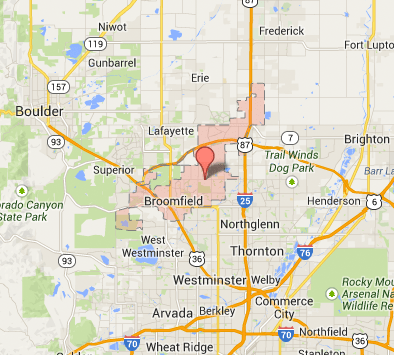
☆ Broomfield home prices & values (reported by Zillow on March 31st, 2018):
The median home value in Broomfield is $428,891. Broomfield home values have gone up 10.1% over the past year and Zillow predicts they will rise 4.3% within the next year. The median list price per square foot in Broomfield is $234, which is lower than the Denver Metro average of $252. The median price of homes currently listed in Broomfield is $502,410 while the median price of homes that sold is $404,500. The median rent price in Broomfield is $2,100, which is higher than the Denver Metro median of $2,000.
Transportation:
Places worth checking out:
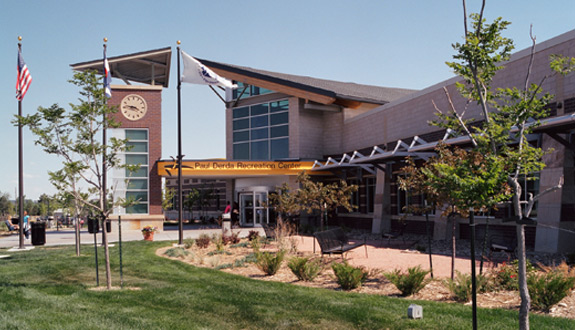
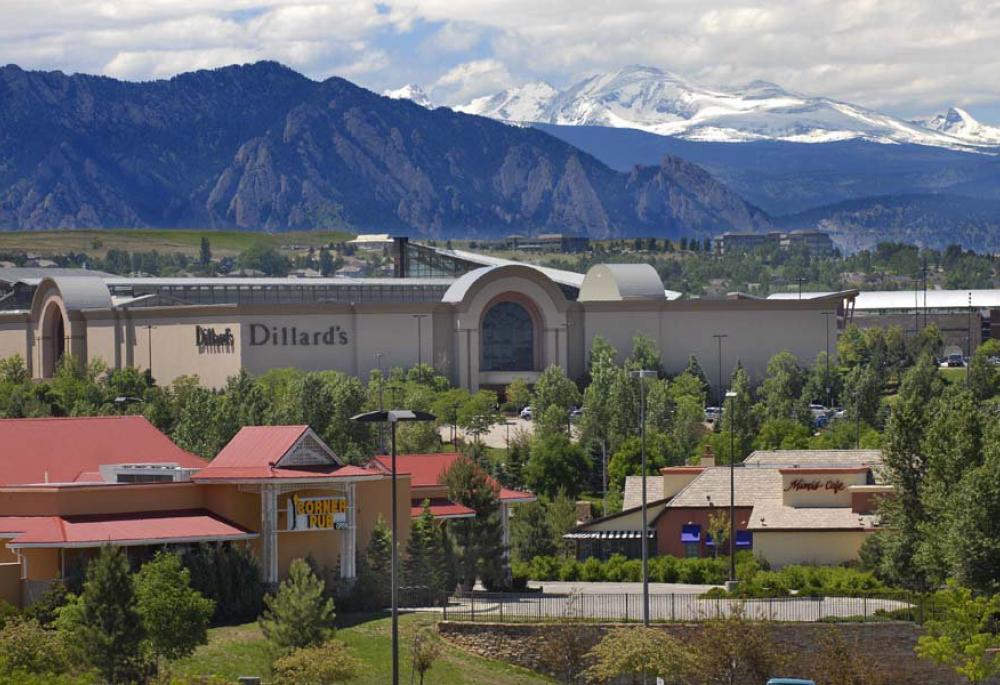
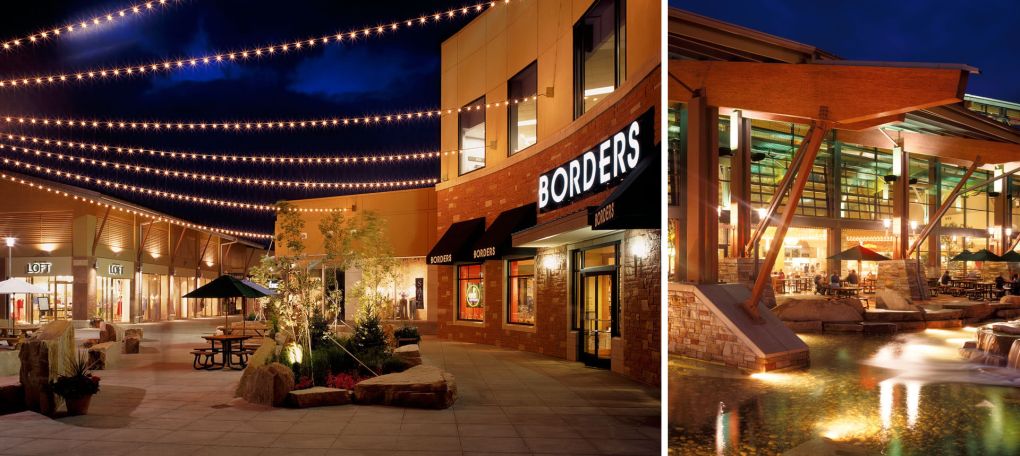
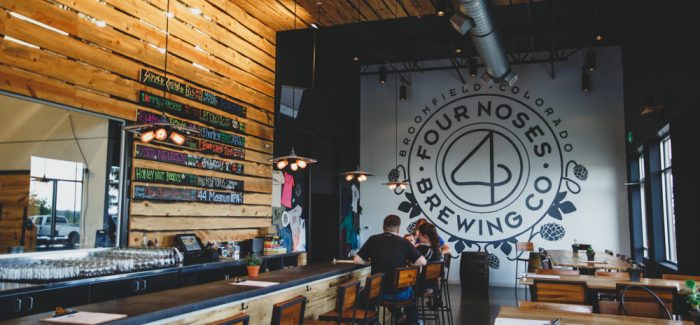
A little bit of Broomfield history (taken from geneologytrails.com)
“Broomfield has been a community for over 75 years but was originally known as Zang’s Spur. This first community was actually located approximately one mile east and 1/4 mile north of existing “old” Broomfield. It was served by the narrow gauge railroad from that ran from Denver to Erie and Lyons. The present lake south of Spallone’s Addition is in the vicinity of the site and this is where the railroad took on water for their engines. The first United States Post Office serving this area was begun in July, 1887, and located here.
Progress brought the standard gauge railroad and a new track, located where we see it today, was moved to the Jones Building. This is the green trimmed, white buidling east of the railroad on 120th Street. Mr. E.J. Jones was the Postmaster from 1906 to 1941. During this period, and continuing until 1951, all mail in the area arrived and departed via rail. Since 1951, it has been trucked in and out.
During the early 1920s, Broomfield was a very lively place. The community consisted of a pool hall, Grange hall, barber shop, grocery store, hotel with general sotre, flour mill and cheese factory. In addition, there was a bank, lumber yard, filling station, two garages or blacksmith shops, the depot and nearby was a beet dump and pickle factory. Besides the business district, Broomfield had about a dozen homes.”
Read more about Broomfield’s past here.


Things to note:
For a full virtual tour of this home, click here.
 carolyn5280coloradohomes.net