The Truth About The Winter Market

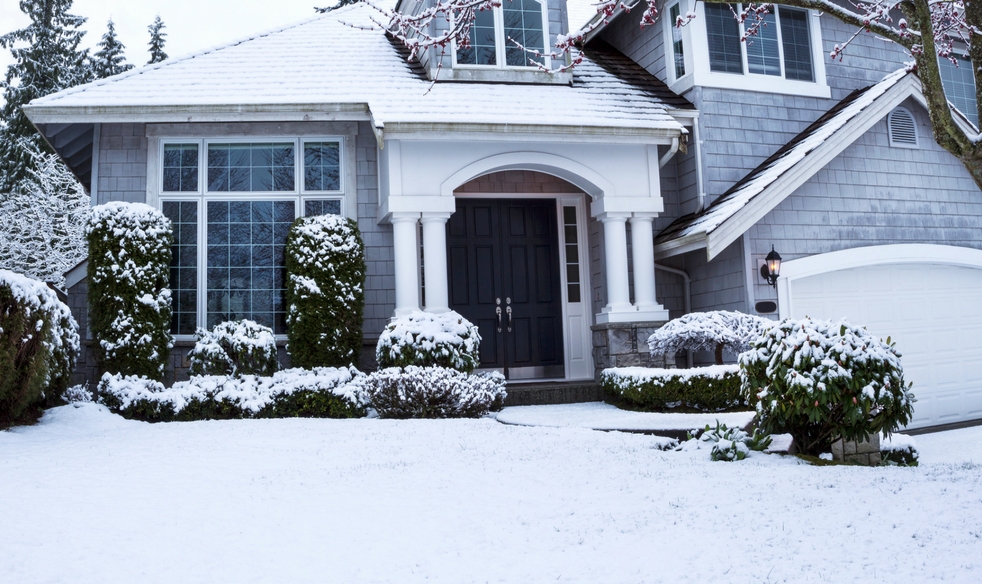
Let’s state the obvious here, house hunting in the dead of winter is less fun than on a warm, spring day.  Nobody wants to trudge through the ice and snow to find their next home.  But sometimes a new job or an unpredictable life change happens and there’s just no way around it.  So if you’re gearing up for a move within the next few months (or are contemplating one), here are some things to consider before buying or selling during winter.
winter

  • Less Inventory– In Denver, there are only about one third as many homes for sale in winter, as there are in spring or summer.  Buyers, you may have to expand your search to outside of your ideal area (or price range) to find what you’re looking for.  However, the bidding wars and packed open houses are likely to dramatically decrease as well, which may very well work in your favor.
  • Motivated sellers– Homes that are on the market in winter often have motivated sellers who cannot wait for the spring/summer rush to list their home.  Homes that need some updating may be more likely to list in the winter when there is less competition against like-new homes.  So if you can see past outdated cabinets, light fixtures and appliances, winter might be a great time to catch a deal.Untitled design (4)
  • FHA loans- FHA buyers may have a better time landing a deal now, than in the spring time.  Less competition means less (or no) cash offers or conventional loan offers with large down payments.Untitled design (5)
  • Stable Interest Rates– Interest rates have so far remained stable, although they are predicated to increase multiple times in 2018.  So maybe getting a loan before they do will allow you to afford a better home.

For more on this topic, check out this article by Trulia.


Hey Millennial Homeowners! It May Be Time To Sell

Contrary to what many believe, Millennials are not the ‘renter’ generation. Millennials purchased a larger percentage (34%) of homes in the U.S. than any other age group in 2017 and the most recent Census Bureau report shows that the homeownership rate among Millennials is finally on the rise.

Many Millennials took advantage of post housing crash prices and the First-Time Homebuyers’ Tax Credit and jumped into homeownership in 2010. If you are one of these buyers, now may be the time to sell for many reasons. Here are a few:

1. Equity Build-Up

Home prices have been on the rise since the beginning of 2012 and your house may have appreciated by more than you think. ATTOM Data Solutions, in their Q2 2017 U.S. Home Sales Report revealed that:

“…homeowners who sold in the second quarter realized an average price gain of $51,000 since purchase — the highest average price gain for home sellers since Q2 2007, when it was $57,000.

The average home seller price gain of $51,000 in Q2 2017 represented an average return of 26 percent on the previous purchase price of the home, the highest average home seller return since Q3 2007, when it was 27 percent.”

2. Projected Home Price Increases

If you just got married or just found out you are about to become a parent, you may have plans to move up a bigger home or perhaps move to a different area. Waiting to buy a more expensive home in this market probably doesn’t make sense. The experts contacted for the Home Price Expectation Survey are projecting home prices to increase by nearly 5% over the next year. Yes, your house’s price will increase but not as much as a home currently valued higher than yours.

3. Projected Interest Rate Increases

The Mortgage Bankers’ AssociationFreddie Mac, Fannie Mae and the National Association of Realtors are each projecting mortgage rates to increase over the next year.

Higher PRICES + Higher INTEREST RATES = LARGER MORTGAGE PAYMENTS.

Bottom Line

If you are lucky enough to be one of those Millennials who purchased a house in 2010 (or even later), now might be the perfect time to move up to the home of your dreams!


Button Up Your House For Fall

We all know the drill: You wake up on a Saturday with every intention of doing some pre-winter maintenance but ditch your best-laid plans as soon as you feel the late-summer sun on your shoulders. Take a tip from the experts and avoid putting off till next Saturday (or next year) what you can do in a snap today—whether it’s replacing old weather-stripping or adjusting the pitch of the gutters. You can always put your feet up late, when it’s time to rake the leaves.

1. Weatherproof Windows and Doors

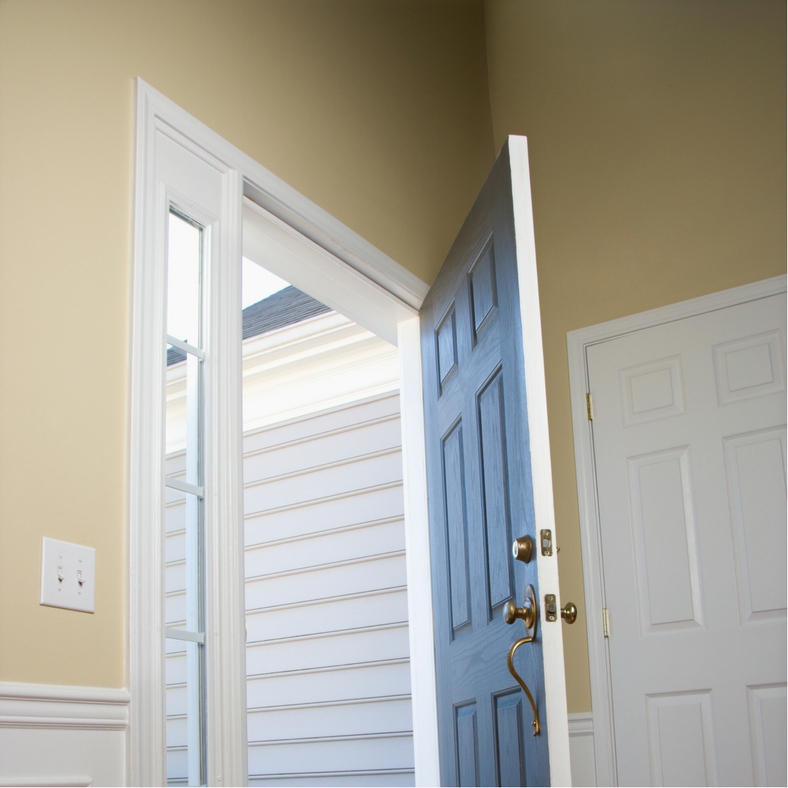
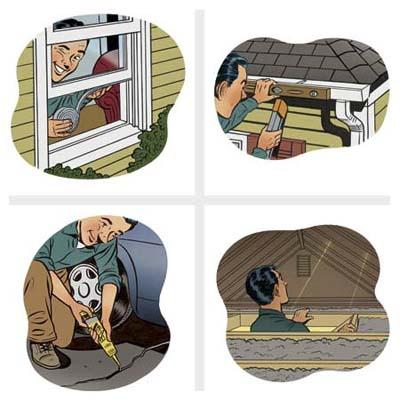
Seal gaps larger than ⅛ inch around windows and doors to cut your winter heating bill by up to 15 percent. On windows, press adhesive-backed closed-cell foam onto the bottom of the sash. Secure a loose sash by applying a strip of plastic V-channel weather­stripping in the groove the sash slides in, securing it with finish nails. Use foam strips on the sides and tops of doors, and install a door sweep on the bottom.

2. Check Your Gutters

When gutters aren’t pitched at the right angle, they overflow—and can threaten your once dry . Properly pitched gutters slope between 1/16 inch and ⅛ inch per foot, directing water to the leader and out the downspout. Check the pitch by holding a level even with the gutter; on longer runs, pour in water from a hose and check the flow’s direction. Get instructions for keeping your gutters in good working order.

3. Find and Fix Cracked Concrete

Cracks in your driveway, walkway, or steps are a big-time trip hazard, and they’ll only get worse if water seeps in and freezes. Luckily, if you can caulk, you can fix concrete—just make sure it’s clean and dry to start. For cracks less than a half-inch wide, squeeze a bead of acrylic latex concrete repair compound deep into the crack, smoothing excess with a putty knife. For larger cracks, trowel on a vinyl concrete patching compound, and let it cure one day before walking on it, three days before driving over it.

4. Clean Cooling Devices

If you have ceiling fans, change their rotation to clockwise to push warm air down (usually accomplished by flicking a switch on the base), and while you’re at it, wipe down the blades with a microfiber cloth that traps dust. At month’s end or when the temps drop, remove window AC units. Vacuum the coils and filters, and store them in a cool, dry place, preferably covered to keep out dust and bugs.

5. Check for Holes in The Attic

During the brightest part of the day or a steady rain, look for streams of light or water entering the attic through the roof or sheathing, which can lead to more serious damage (and critter invasions) if left unfixed. (Another sign of holes is black staining on insulation.) From inside, fill sheathing gaps with closed-cell polyurethane foam. Fix small roof leaks by caulking with tripolymer elastomeric sealant, which is compatible with asphalt shingles and resists UV rays. But don’t caulk large leaks, which tend to develop around chimneys or vent stacks. For now, place a bucket underneath to catch drips and stuff an old towel in the crevices to absorb moisture. Then do a more serious repair before the first winter storm hits.

6. Check Your Insulation

How do you know if your attic is properly protected? It’s simple: If you can see the tops of the joists, you’ve got a problem. If the existing insulation is roughly even with the tops of the joists, add a new layer of unfaced batt insulation perpendicular to the old one, pushing the pieces together so they fit snugly side by side. On the other hand, if the existing layers are more than an inch above (or below) the joists, blown-in cellulose or fiberglass does a better job of filling the crevices. To find out how much you need, depending on where you live, type your ZIP code into the ZIP-Code Insulation Program at the Oak Ridge National Laboratory. And give yourself a pat on the back for keeping up with fall upkeep.