Buyer Demand Continues Outpacing The Supply of Homes For Sale

The price of any item is determined by the supply of that item, as well as the market demand. The National Association of REALTORS (NAR) surveys “over 50,000 real estate practitioners about their expectations for home sales, prices and market conditions” for their monthly REALTORS Confidence Index.

Their latest edition sheds some light on the relationship between Seller Traffic (supply) and Buyer Traffic (demand).

Buyer Demand

The map below was created after asking the question: “How would you rate buyer traffic in your area?”

The darker the blue, the stronger the demand for homes in that area. Only three states had a ‘stable’ demand level.

Seller Supply

The index also asked: “How would you rate seller traffic in your area?”

As you can see from the map below, 21 states report a ‘weak’ sellers traffic, 25 states report a ‘stable’ sellers traffic, only 4 states and DC report a ‘strong’ sellers traffic. Meaning there are far fewer homes on the market than what is needed to satisfy the buyers who are out looking for their dream homes.

Bottom Line

Looking at the maps above, it is not hard to see why prices are appreciating in many areas of the country. Until the supply of homes for sale starts to meet the buyer demand, prices will continue to increase. If you are debating listing your home for sale contact me, your local real estate professional, who can help you capitalize on the demand in the market now!


How To Install Under Cabinet Lighting & Power

Watch Video

Learn how to install your own backsplash!

Lighting Steps
1. Go to the main electrical panel and turn off the power to the existing under cabinet lights and outlets.
2. Unscrew the old light fixtures from the underside of the cabinets.
3. Use a jigsaw to cut a hole in the cabinet back for an old-work junction box.
4. Cut a similar hole in the wall directly above the cabinets.
5. Push two nonmetallic electrical cables through the upper hole and down into the hole cut inside the cabinet.
6. Cut a hole in the kitchen wall for an old-work switch box, then use a fish tape to pull a cable into the hole.
7. Push the ends of the cables through the rear of the switch box, then screw the box to the kitchen wall.
8. Wire a dimmer switch into the box; be sure the switch is designed for use with LED lights.
9. Make the wire connections in the junction box inside the cabinet. Screw a blank cover onto the junction box.
10. Make the wire connections inside the light fixtures, then screw the fixtures to the underside of the cabinets.
11. Run a new cable to the wall beneath the cabinets, then install the 120-volt outlet strips.
12. Make the final wire connections at the outlet strips and test your work.


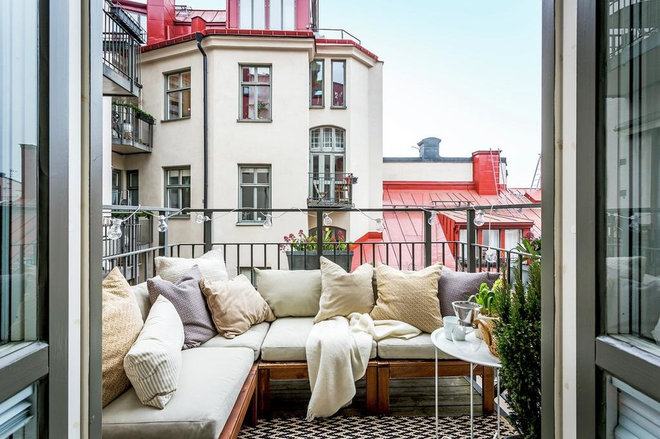
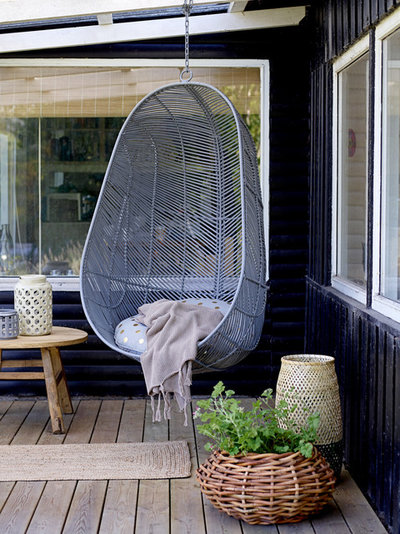
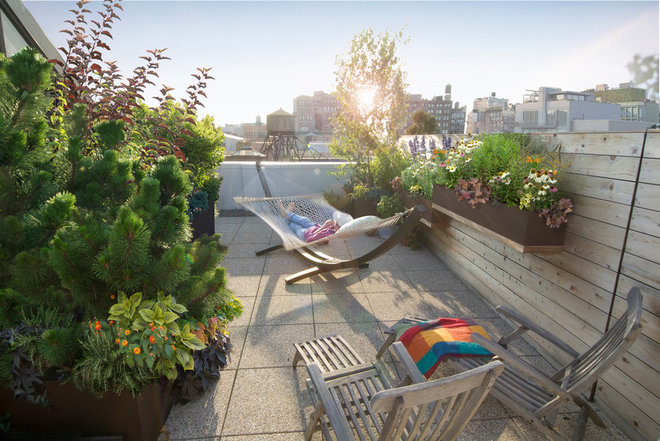
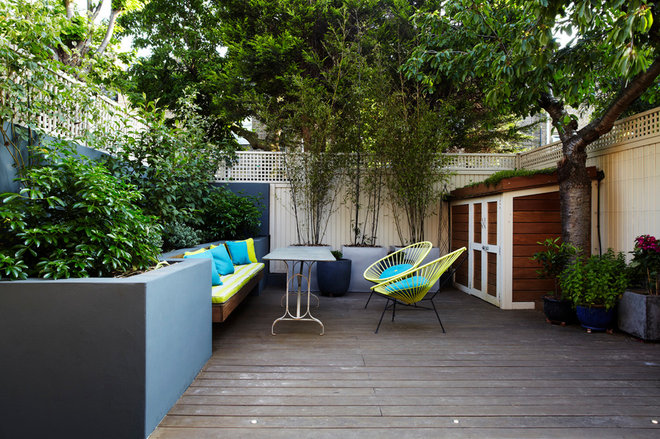
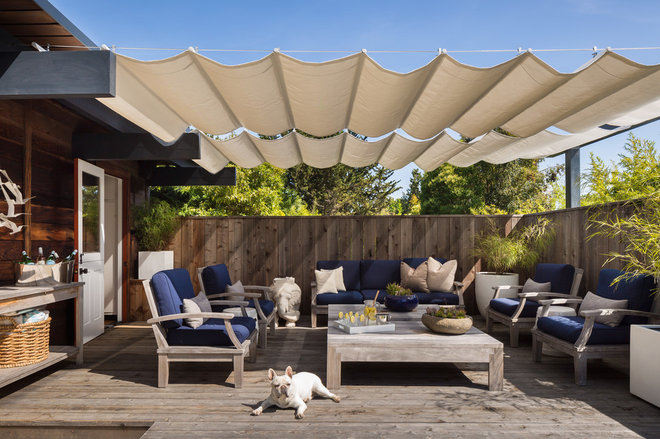
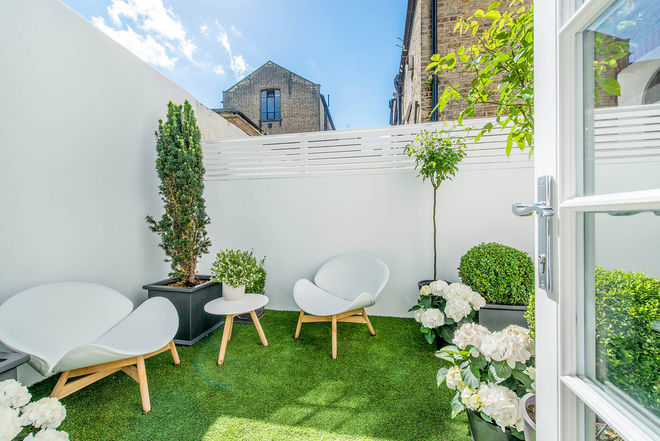
Ultimate Lounging For All Patios

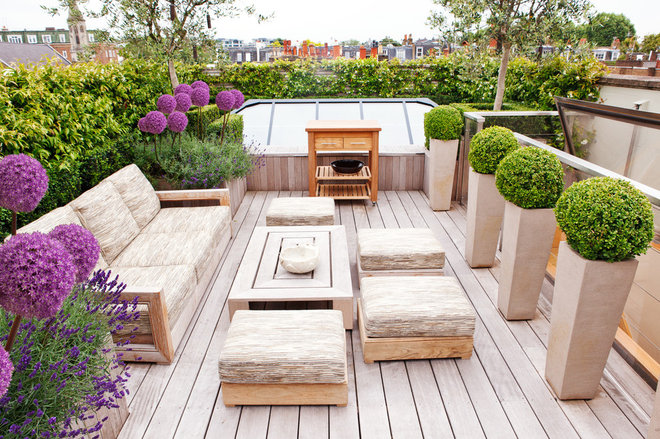
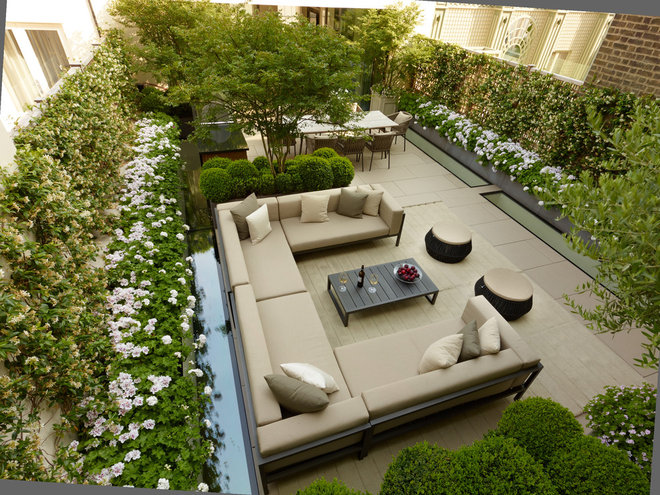
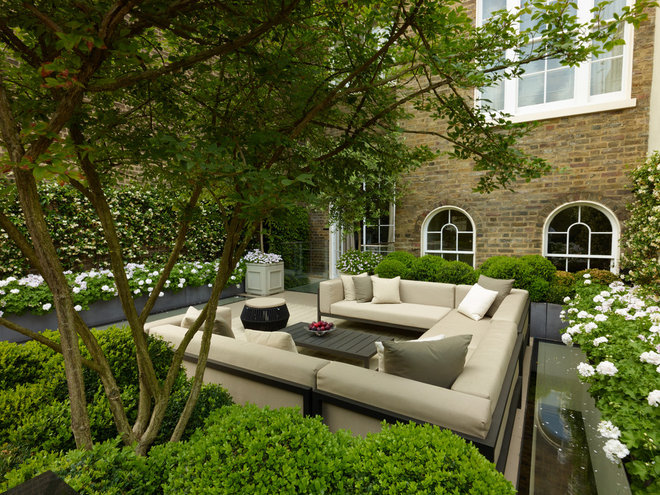
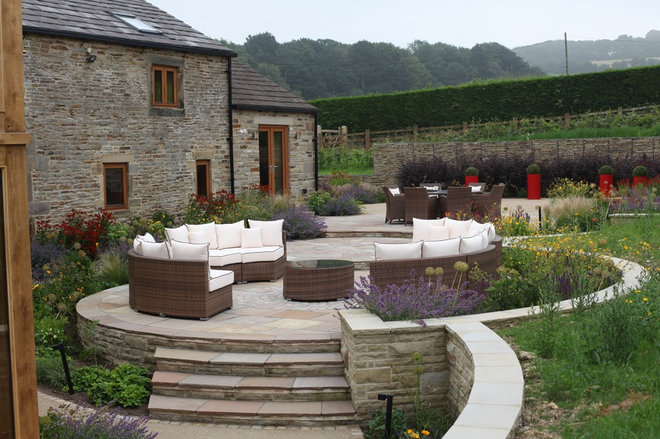
Many of us aren’t able to change the sizes and layouts of our patios or decks. We’re left to choose furniture and its arrangement, decide what to plant, and select other outdoor elements to make the space our own. Make tiny terraces feel larger and expansive decks more inviting with these tricks for styling your outdoor lounge.