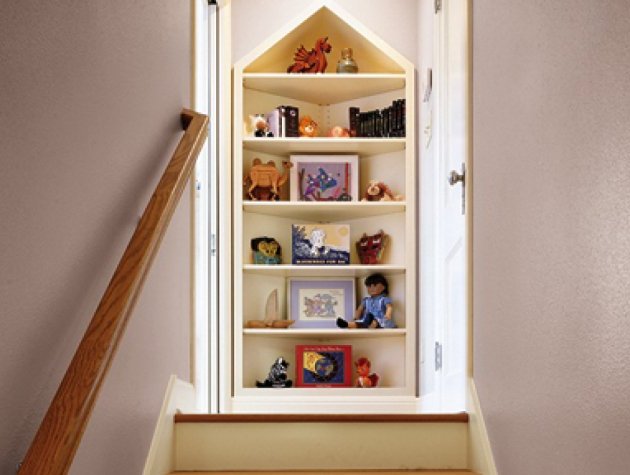
4 Tips For #AtticFinishing

atticfinishing

Figure you’ll need to beef up the floor, insulate—and more. Here’s a look at some building-code basics when it comes to turning attic space into living space.

Access and egress
Code generally requires a full-size staircase with a minimum 6-foot 8-inch clearance above it. For fire safety, there must be two ways out—a second staircase, for example, or a window.

Ceiling height
Any living space requires at least 7 feet of headroom over a floor area of at least 70 square feet, measuring at least 7 feet in each direction. At the Lyons’ house, this meant that only a portion of the attic was usable, though some of the low-clearance area was tapped for storage.

Floor support
Attic floors generally need to be reinforced with additional joists and a subfloor. The Lyons used a web of 16-inch-deep engineered trusses to accommodate wiring, plumbing, and ductwork, then topped the plywood subfloor with oak or tile. (Keep in mind that deep trusses will cut into headroom.) “Houses built before 1950, and some built after, may also need foundation work,” says architect Stewart Davis, especially if the project involves raising the roof, as the Lyons’ did.

Ventilation and insulation
Heat and moisture rise. This often means having to add air-conditioning, ceiling or window fans, and/or windows. The Lyons installed windows at each end of the roof to promote cross-ventilation. A layer of spray foam insulation under the roof and in the walls will help cut their heating and cooling costs.
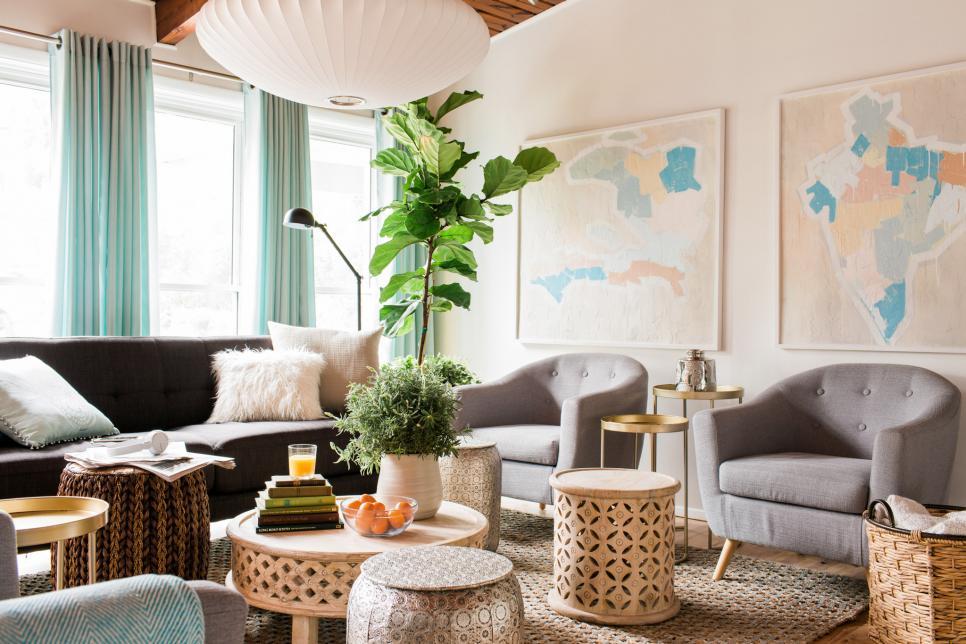

12 Ways To Invite A #WellTraveledLook Into your Home

…without boarding a plane. Bring a collected-over-time look to your home with handmade pieces of various styles and textures. The best part? You don’t even even have to leave your sofa.

Collected Decor Creates a Cool, Global Look

This classic midcentury modern home is decorated floor to ceiling with handmade objects and artisanal details. From textured art to woven jute rugs, organic elements add depth and character throughout the home.

Applique Peacock Mirror

Bring a touch of ’70s style to your home with an applique peacock mirror. These mirrors are known for their rich textures and layers of different materials.

Sculpted Wood Console

When choosing console tables for your home, there are three main categories: practical, industrial or sculptural. For an artisanal touch, stick with hand-carved woods that create an extra surface to display items and also serve double duty as sculptural art.

Hand-Spun Ceramics

Add a potter’s touch inside and outside by placing low-maintenance plants into hand-spun ceramic pots. The imperfections and gradation in the clay add to the organic appeal of these creations.

Handwoven Jute Rug

Add rich, organic texture into any room with handwoven jute rugs. Available in a wide range of colors and patterns, jute rugs work beautifully with virtually any design style.

Shell Mosaic

Add a touch of Palm Beach style to your room with mosaic shell planters. Get the look by layering different types of shells onto a solid surface, then add in your favorite springtime florals.

Punched Tin

Add Eastern charm to your home with punched tin elements created by hand-punching through thin sheets of metal with a stenciled pattern. Here, a letter initial personalizes a wall and also adds a metallic touch to the space.

Hand-Stitched Beading

Common with Moroccan-style interiors, stitched bead detail adds an extra layer of visual interest to simple accessories such as pillows or lampshades.

Linen + Nail Heads

Pack a room with texture by adding linen upholstered case goods layered with orange nail-head detail. This wooden chest was covered with cut sheets of linen, then bronze nail heads were applied along the drawer fronts with a mallet.

Personalized Embroidery

Monogramming and embroidery are two traditional methods for personalizing soft goods such as pillows, robes, cloth napkins or bed linens.

String Art

Create your own handmade masterpiece with string, brass tacks and plywood.

Cast Ceramics

Cast ceramics are created from molds that allow clay or plaster to dry into a specific shape. Once dry, they are often given faux finishes for practical uses as storage bowls or vases.